The Power of the invisible
Foto. Julián Gallo
“I know my story is not mine alone; many of its passages echo those of people from excluded communities who break away from imposed roles and affirm their power to claim the spaces in society they rightfully deserve.”
The Power of the invisible
PENGUIN RANDOM HOUSE
Quisiéramos compartirle algunos links de las tiendas más representativas :



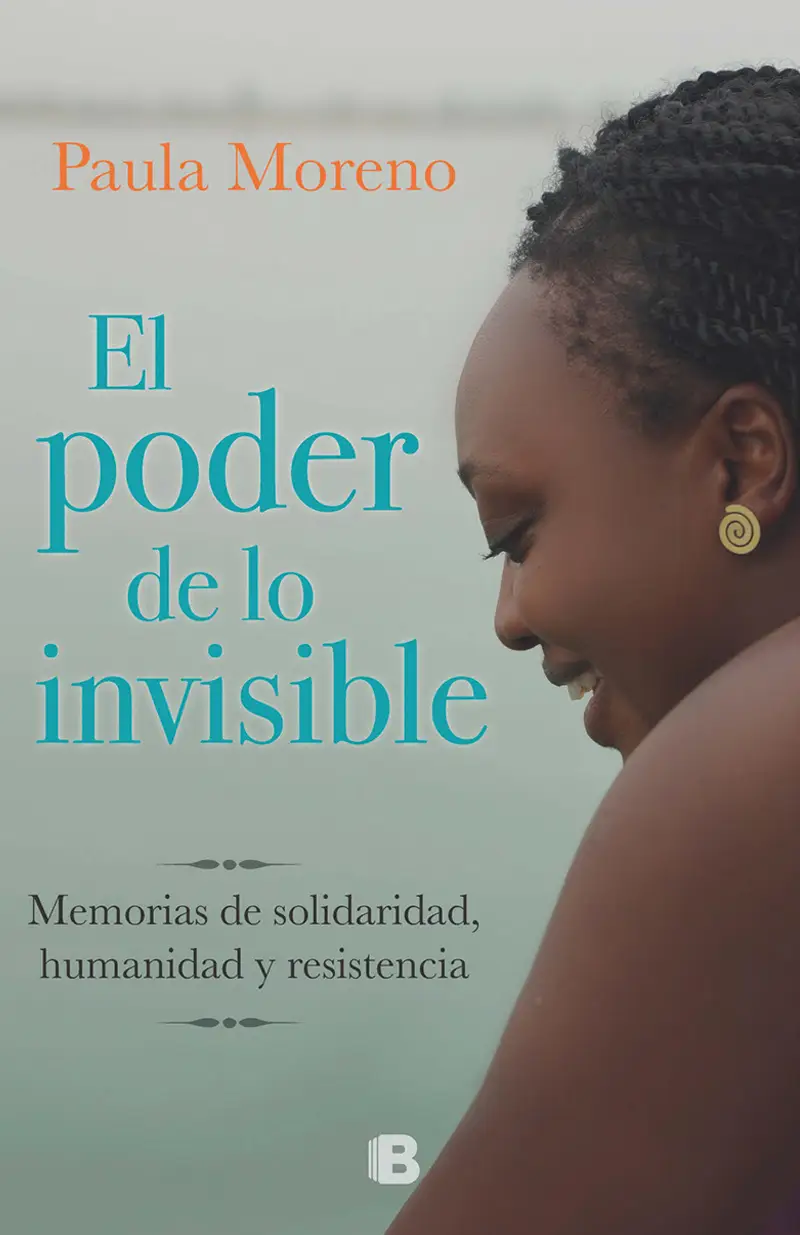
Published by Penguin Random House, The Power of the Invisible: A Memoir of Solidarity, Humanity, and Resilience(2018) is a powerful account that takes the reader through the dramatic journey of a young Afro-Colombian woman, “tested by her country,” as Minister of Culture. Paula Moreno uses the self merely as a pretext to tell the story of a community, a nation, and possibly that of the African diaspora: “I know my story is not mine alone; many of its passages echo those of people from excluded communities who break away from imposed roles and affirm their power to claim the spaces in society they rightfully deserve.” What sets this memoir apart is that it is far from an act of self-heroization. The author portrays her journey with humility and sincerity. She shares her anxiety in the face of seemingly insurmountable challenges, her fear of the unknown, and the pain of personal loss—including her deepest insecurities about her self-image in her new role as minister. Yet, despite these internal struggles, she never compromises her work ethic or her commitment to proving her worth—not to her critics or the government—but to her own sense of responsibility and consciousness toward the Colombian people in all their diversity.
The Power of the Invisible is, above all, a book about the audacity of hope for a world free of racial enmity—a world of radical openness to the racial “other,” in which “you are in me and I am in you, where we can finally see in the mirror someone just like ourselves.
What stands out most in the text is the way the author redefines the very notion of culture during her tenure as Minister. Culture, as defined by the author, is the emotional infrastructure of the nation and the backbone of its self-imagination. It is viewed as a crucial component in the inclusive redefinition of Colombian identity—a melting pot shaped by the diverse practices and imaginaries of its many constituent ethnic groups. Her approach highlights the connection between culture and other spheres of life, such as the economy, politics, and education. Cultural diversity ceases to be seen as an obstacle to nation-building in a country where many are inclined to emphasize European heritage at the expense of African and Indigenous contributions to society. Through her speeches and initiatives, the author’s redefinition of culture brings the Ministry closer to the people, building alliances with communities and working together to redefine the priorities of community development. Her approach represents a radical break from a patriarchal perception of power, where communities are typically recipients of top-down projects. Her willingness to learn, to collaborate, and to seek guidance from others proves to be an invaluable asset during her time as Minister.
The Power of the Invisible is a testament to love, hope, and dreams. The protagonist’s projects—before, during, and after her time as Minister—are driven by the dream of a society with equal opportunities for all.
An important aspect of culture, exquisitely presented in this text, is the contribution culture can make to the pursuit of peace in a country like Colombia. Culture provides a profound spiritual anchor for both individuals and communities. For this reason, the new Minister is committed to moving the Ministry of Culture from a marginal position among government portfolios to a central role in national action and nation-building.
The Power of the Invisible is a testament to love, hope, and dreams. The protagonist’s projects—before, during, and after her ministerial role—are driven by the dream of a society with equal opportunities. Paula is a daughter of many worlds. Her identification with her Afro-Colombian culture does not imply a closure to other cultural horizons, as evidenced by her deep interest in Italian culture and her love for music, art, and literature from a wide range of traditions. The fact that she is multilingual further reflects this epistemic openness to the Other. As Emmanuel Levinas suggests, learning a new language should be an act of love—and this is clearly the case for the author. Language is culture—and more importantly, it is people.
Dr. Gilbert Shang Ndi
Universität Bayreuth, Alemania
Explore Interviews and Podcasts

El Tiempo
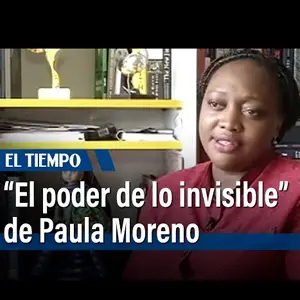
Entre Letras: Paula Moreno habla de su libro “El poder de lo invisible”
-
Al Punto Con Juan Lozano
«Cultivamos liderazgos con conciencia de poder, compromiso ético y amor» El poder de lo invisible, el libro de Paula Moreno
-
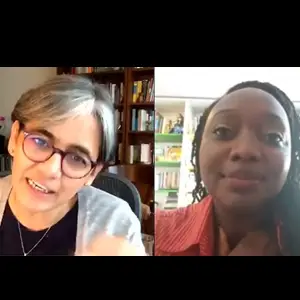
Conversan Paula Moreno y Yolanda Ruíz
La periodista Yolanda Ruíz conversa con la Paula Marcela Moreno Zapata, sobre su libro #ElPoderDeLoInvisible además de la pasión, la conexión y el poder de la música que atraviesan la historia contada en el libro.
-
Canal TOI
Memorias que terminan siendo espejos